Food can be a delightful way to bond with your furry friend, but not all treats are safe for them to eat. You might be surprised to learn that some common household items are actually harmful to your dog. In this post, we’ll explore ten food items that you should absolutely avoid giving your pup to keep them happy and healthy. Let’s dive in and ensure your best buddy stays safe during mealtimes!
Chocolate
For dog owners, chocolate is one of the most dangerous treats to keep away from your furry friend. Even small amounts can be harmful, so it’s vital to know that your sweet cravings can be deadly for your pup. Different types of chocolate contain varying levels of theobromine, a stimulant that your dog cannot metabolize efficiently, putting them at risk of severe health issues.
Theobromine toxicity
You’ll want to keep an eye out for theobromine toxicity, which can occur when your dog ingests chocolate. Symptoms can range from vomiting and diarrhea to much more serious conditions like seizures or even death. The darker the chocolate, the more theobromine it contains, making it particularly dangerous for your pooch.
Central nervous system impact
Chocolate can have a significant impact on your dog’s central nervous system. When ingested, the theobromine in chocolate can overstimulate their system, leading to tremors and restlessness. In severe cases, this can escalate to serious neurological symptoms, which can be frightening for both you and your dog.
You can help your dog stay safe by avoiding any chocolate treats around the house. It’s best to educate your friends and family about this dangerous snack, ensuring that they know not to share their chocolate goodies with your beloved pet. While chocolate is a delightful indulgence for you, it’s always better to choose safe snacks for your canine companion!
Grapes
You might think grapes are a healthy snack for your furry friend, but they can be extremely dangerous. Even small amounts of grapes or raisins can lead to severe health issues in dogs, including kidney failure. It’s best to keep these fruits away from your pet’s reach to ensure their safety and happiness.
Kidney Damage
Even a tiny amount of grapes can cause kidney damage in dogs, leading to serious complications. Symptoms might not appear immediately, but it’s important to stay vigilant and keep track of your dog’s health after consumption.
Vomiting and Lethargy
For many dogs, consuming grapes can lead to vomiting and lethargy soon after intake. These reactions may be your dog’s way of telling you something is wrong, so it’s important to take them seriously.
A dog that has eaten grapes may show signs of distress, including drooling, lack of appetite, and fatigue. If you notice these symptoms, it’s wise to consult your veterinarian right away. Early intervention can prevent more severe issues and help your dog recover quickly.
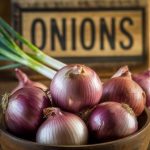
Onions
Assuming you love your furry friend, it’s important to know that onions can be harmful to dogs. This common kitchen staple contains compounds that can lead to a variety of health issues. Even small amounts can be toxic, so it’s best to avoid sharing any onion-based foods with your pup. Instead, opt for safer treats that won’t put your dog’s health at risk.
Red blood cell damage
Onions contain thiosulfate, which can lead to red blood cell damage in dogs. When ingested, this compound can cause hemolytic anemia, a condition where red blood cells are destroyed faster than they can be made. Symptoms to look out for include weakness, lethargy, and pale gums. If you suspect your dog has eaten onions, consult your veterinarian for guidance.
Gastrointestinal issues
An onion’s high fiber content can lead to gastrointestinal issues in dogs. If your dog consumes onions, it may experience symptoms like vomiting, diarrhea, or stomach pain. These discomforts can be severe and could lead to further complications if not addressed. Keeping an eye on your dog’s behavior is key; if you notice any unusual signs, don’t hesitate to reach out to your veterinarian for advice.
A visit to your vet is vital if your dog shows any signs of distress after consuming onions. Even if they don’t exhibit immediate symptoms, it’s vital to monitor them closely, as the effects may not be instant. The vet can provide the best course of action, whether that includes inducing vomiting or treating symptoms that arise. Your dog’s safety and well-being should always come first, so it’s best to play it safe and keep onions off their menu.
Garlic
Keep garlic far away from your furry friend! While it may add flavor to your meals, this popular ingredient can be harmful to dogs. Even small amounts of garlic can damage your pup’s health and lead to serious complications. Always make sure to double-check your ingredients when cooking, as your dog’s safety should always come first.
Toxic compound
Any form of garlic contains a toxic compound called thiosulfate, which is harmful to dogs. Unlike humans, dogs cannot efficiently process this substance, making them particularly vulnerable to its effects. Signs of garlic poisoning may include vomiting, diarrhea, and a decrease in energy levels, so it’s best to err on the side of caution and avoid feeding garlic altogether.
Potential anemia risk
If your dog consumes garlic, it can lead to a risk of developing anemia. This occurs because thiosulfate damages red blood cells, making them more susceptible to bursting. As a result, your dog’s ability to transport oxygen throughout their body may be compromised, leading to fatigue and lethargy.
Plus, the symptoms of anemia can be quite concerning. You might notice your dog becoming more tired than usual or having difficulty breathing. Other signs can include pale gums, a rapid heartbeat, and weakness. If you suspect your dog has ingested garlic, it’s important to consult your veterinarian as soon as possible to address the situation appropriately.
Avocado
Not only do you want to keep your avocado toast safe for yourself, but it’s important to know that avocados can be harmful to your furry friend. While the fruit is packed with nutrition for humans, it contains compounds that may not sit well with dogs, making it a food you should definitely avoid feeding them.
Persin toxicity
Persin is a compound found in avocados that can be toxic to some animals, including dogs. Even small amounts can lead to gastrointestinal upset, vomiting, or diarrhea. It’s best to ensure that your pup stays well clear of this seemingly healthy fruit to keep them safe and happy.
Fluid accumulation
One serious concern with avocado consumption in dogs is fluid accumulation, which can lead to a condition called congestive heart failure.
This can happen when the body starts to retain excess fluid, leading to swelling and pressure on the heart. Signs of this condition may include difficulty breathing, a persistent cough, or an enlarged abdomen. If you suspect that your dog has ingested avocado and is showing any of these symptoms, it’s important to contact your veterinarian right away for guidance and support.
Alcohol
Your dog’s health is incredibly important, and one of the most dangerous substances you can expose them to is alcohol. Even small amounts can lead to serious health issues, including vomiting, coordination problems, and in severe cases, death. Always keep alcoholic beverages out of reach and be mindful of food that may contain alcohol, such as certain desserts or marin marinades. Your furry friend deserves a safe and happy life, so never take the risk with alcohol.
Brain damage
Any exposure to alcohol can have devastating effects on your dog’s brain, leading to neurological issues that could last a lifetime. Dogs metabolize alcohol differently than humans, making them more susceptible to its toxic effects. Symptoms like disorientation, seizures, and even coma can occur, highlighting the seriousness of this threat. If you suspect your dog has ingested alcohol, immediate veterinary attention is necessary to minimize any potential long-term damage.
Respiratory failure
Damage from alcohol can extend beyond the brain, presenting a risk of respiratory failure in your dog. As alcohol intoxication progresses, it can depress the central nervous system, ultimately leading to difficulty breathing. This is particularly dangerous, as it can result in a life-threatening situation. Being vigilant about keeping alcoholic substances away from your pet and recognizing the signs of alcohol poisoning can help prevent this serious outcome.
With timely intervention and care from a vet, dogs experiencing respiratory issues due to alcohol can have a fighting chance at recovery. If you notice your dog struggling to breathe, or showing signs of lethargy or confusion after potential alcohol exposure, don’t hesitate to seek medical help. Awareness and quick action can make all the difference in protecting your furry companion from the harmful effects of alcohol.
Caffeine
Once again, caffeine is another food item that can be very harmful to your furry friend. It is found in coffee, tea, chocolate, and many energy drinks, all of which can be dangerous if ingested by dogs. Even small amounts can lead to severe health issues, so it’s best to keep your pup away from anything containing caffeine to ensure their safety.
Heart rate increase
Increase in heart rate is one of the significant effects of caffeine on dogs. Just like in humans, caffeine stimulates the central nervous system, causing your dog’s heart to beat faster. This heightened heart rate can lead to potential complications, especially in older dogs or those with pre-existing health issues.
Anxiety and restlessness
You’ll also notice that caffeine can lead to anxiety and restlessness in your dog. The caffeine can cause them to feel jittery, making it difficult for them to relax. If your furry companion ingests caffeine, you might see them pacing around or showing signs of distress, which can be quite concerning for both of you.
This anxiety can lead to uncomfortable behaviors, such as excessive barking or destructive chewing. It’s not uncommon for dogs to exhibit hyperactive tendencies when they’ve consumed caffeine, putting stress on both you and your beloved pet. Always be vigilant about what your dog has access to – keeping caffeine out of their reach is a simple step to ensure their peace and comfort!
Macadamia Nuts
Now, you may think that macadamia nuts are just a tasty treat, but they can be quite harmful to dogs. Even small amounts can cause serious reactions. It’s best to keep these delicious nuts far away from your furry friend to ensure their health and safety.
Muscle Tremors
Some dogs can experience muscle tremors after ingesting macadamia nuts. This is a sign that their body is reacting negatively to the toxins found in these nuts. If you notice any unusual shaking, it’s important to consult with your vet as soon as possible to address the issue.
Increased Body Temperature
To further complicate matters, consuming macadamia nuts can lead to an increased body temperature in your dog. This can be alarming and may require immediate attention from your veterinarian. Keeping your pup cool and hydrated is vital during this time.
Effects of Increased Body Temperature
| Symptoms | What You Can Do |
|---|---|
| Excessive panting | Provide fresh water and shade |
| Restlessness | Limit physical activity |
| Vomiting | Contact your vet immediately |
Body temperature can significantly affect your dog’s well-being. If you notice signs such as excessive panting or lethargy, ensure to cool them down and monitor their hydration closely. Always seek veterinary advice if symptoms persist or worsen to keep your pet safe and happy.
Xylitol
All pet owners should be aware that xylitol, a sugar substitute commonly found in sugar-free products, can be extremely toxic to dogs. Even small amounts can cause a rapid insulin release in your furry friend, leading to dangerous drops in blood sugar levels. It’s vital to keep any products containing xylitol well out of reach to ensure your dog’s safety.
Insulin release
While xylitol itself is safe for humans, it triggers a potent insulin release in dogs that can lead to hypoglycemia. This sudden drop in blood sugar can result in symptoms like lethargy, weakness, and even seizures. If you suspect that your dog has ingested xylitol, it’s vital to contact your veterinarian immediately.
Liver failure risk
You should also be aware that xylitol poses a significant risk of liver failure in dogs, particularly with larger amounts. The ingestion of xylitol can lead to liver damage, which might not show symptoms right away. Early signs may include vomiting, diarrhea, and a change in behavior. If untreated, this can progress to more severe health issues.
A quick response can make all the difference when xylitol is involved. If your dog exhibits any unusual signs after consuming a product containing xylitol, you should seek veterinary assistance without delay. The earlier your dog receives care, the better their chances of recovery and maintaining good health. Always check ingredient labels on food and grooming products to ensure they are free from this toxic sweetener.
Cooked Bones
After a hearty meal, it might be tempting to share your delicious leftovers with your furry friend. However, cooked bones can pose serious risks to your dog’s health. When bones are cooked, they become brittle and can splinter easily, leading to potential injuries in your pup’s mouth, throat, or digestive tract. Keeping your canine companion safe means avoiding this seemingly innocuous treat!
Splinter Hazard
With cooked bones, the main concern is the danger of splintering. When your dog gnaws on them, they can break into sharp pieces that can puncture your dog’s mouth and intestines, causing significant pain and potentially life-threatening injuries. To protect your furry friend, it’s vital to steer clear of sharing cooked bones altogether.
Digestive Obstruction
Digestive obstruction can occur when your dog ingests pieces of cooked bones. These splintered fragments can get lodged in the gastrointestinal tract, leading to severe complications that may require surgical intervention. It’s vital to be mindful of the potential consequences of feeding your dog cooked bones and opt for safer treats instead.
Any obstruction can be dangerous for your dog, causing discomfort, vomiting, and even more serious health issues. Signs to watch for include a lack of appetite, lethargy, or difficulty passing stool. If you notice these symptoms after your dog has consumed cooked bones, it’s vital to consult your veterinarian immediately. Keeping your dog healthy and safe is your top priority, so be cautious about what you share at mealtime!
Conclusion
From above, you’ve learned about the ten food items to never feed your dog, ensuring their health and happiness. By keeping these harmful foods out of your pup’s reach, you can help maintain their well-being and avoid unnecessary vet visits. It’s always best to stick to dog-friendly treats and meals that nourish and delight your furry friend. Your love and care truly make a difference in their life!