
Detailed answer to...
Say Cheese! Giving you answers on whether your dogs can eat cheese.
The short answer is YES!
With my dogs, I have to be careful of a bad habit I picked up, and my Bostie knows about this habit.
I find that when I am cooking or creating a snack, and Pablo is at my feet staring at me with those eyes, I get a piece of cheese out of the fridge cut it into a few slices and feed them to him bit by bit.
He loves it. Is it good for him? maybe not. He is a small guy and even a smallish slice of cheese is quite a bit.
Am I going to stop this? Probably not.
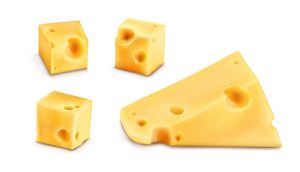
Cheese, with its creamy texture and irresistible flavour, has a way of winning hearts – both human and canine.
"Can a dog eat cheese?"
It's a query that deserves attention, and we're here to uncover the cheesy truth about sharing this dairy treat with your dogs.
The Cheesy Question: Is Cheese Safe for Dogs?
Yes, dogs can eat cheese, but like any treat, it comes with important considerations. Cheese offers a protein-packed and calcium-rich option for your furry friend, contributing to bone health and muscle function. The key is to serve cheese in moderation and choose the right type.
Picking the Right Cheese for Pooches
1. Low in Lactose: Opt for cheeses that are low in lactose, as many dogs can be lactose intolerant. Aged cheeses like cheddar, Swiss, and parmesan generally have lower lactose content and are better tolerated.
2. Avoid Flavored Varieties: While your dog might give you pleading eyes for that herb-infused or spiced cheese, it's best to stick to plain options. Additives and seasonings in flavoured cheeses can upset your dog's stomach.
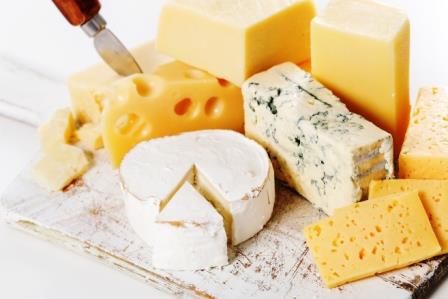
3. Steer Clear of Soft and Moldy Cheeses: Soft and mouldy cheeses, such as blue cheese and Brie, should be avoided. They have a higher moisture content and can contain mould that might not sit well with your dog's digestive system.
Portion Control and Pup Safety
1. Small and Special Treats: Cheese should be treated as an occasional treat, not a regular meal replacement. Offer small pieces or shreds to maintain portion control.
2. Watch for Reactions: Just as humans can have food sensitivities, dogs can too. Introduce cheese slowly and watch for any adverse reactions such as diarrhoea, vomiting, or excessive gas.
3. Caloric Considerations: Cheese is calorie-dense, so make sure to adjust your dog's overall daily caloric intake to accommodate the extra calories from cheese treats.
Delve Deeper with Trustworthy Sources
Before you melt a slice of cheese for your furry friend, gather insights from these reliable sources:
- American Kennel Club (AKC). "Can Dogs Eat Cheese?" Link
- PetMD. "Can Dogs Eat Cheese?" Link
- DogTime. "Can Dogs Eat Cheese? Is Cheese Safe for Dogs?" Link
To Cheese or Not to Cheese: The Final Slice
In the grand world of doggy delights, cheese can indeed be a charming addition – a way to reward, bond, and share joy. By adhering to the principles of moderation, choosing appropriate types, and monitoring your dog's response, you can treat your pup to a cheesy sensation without compromising their well-being. So, when your pup tilts their head with those irresistible eyes, consider a tiny piece of cheese as a token of your love, and relish the cheesy smiles that follow!


Dog Related Freebies
See all the freebies
We have a bunch of freebies and things that you can download for your own personal use.
This includes courses that YOU can resell if you would like to do so.
Click the link to find out more.
Amazing Gifts for Dog Lovers
Custom dog gift products.
This site was born to allow me to have a place where I can do creative and amazing custom gifts for dog lovers.
Click the link to find out more.
Charts for more information
Information on ALL things a dog can and cannot eat.
I plan to add lists, add infographics, and add charts so that you can find answers to everything on a single page.
Click the link to find out more.
