The short answer to "can a dog eat olives?" is yes, but in moderation.
Please read everything below so that you can see the whole picture.
I also would like to add that I am NOT a veterinarian and if you have any doubts please consult your veterinarian for advice.
 As dog owners, we often find ourselves wondering if our furry friends can enjoy the same foods that we do.
Olives, with their unique flavour and texture, might make you wonder if they are safe for dogs to eat. In this article, we will delve into the topic and explore whether dogs can safely consume olives.
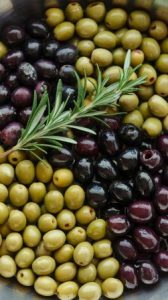
Olives are a popular Mediterranean fruit that are commonly used in cooking and as toppings for various dishes. They come in different varieties such as black, green, and Kalamata, each offering a distinct taste profile. But are they suitable for our canine companions? Let's find out!
While there are potential benefits to feeding olives to dogs, it is essential to consider the risks and take precautions.
We will discuss what you need to know about incorporating olives into your dog's diet, including the health benefits, risks, nutritional value, and alternative olive products.
Remember, every dog is unique, and individual dietary needs may vary. Always consult with your veterinarian before making any significant changes to your dog's diet, including introducing olives.



The Most Important Things To Know...
 Olives are safe for dogs to eat in moderation, but certain precautions should be taken.
- Olives can provide essential nutrients, antioxidants, and healthy fats to support your dog's health.
- Feeding dogs olives may cause gastrointestinal upset or allergic reactions in some cases.
- It is crucial to introduce olives gradually and observe your dog for any adverse reactions.
- Alternative olive products, such as olive oil or olive-based treats, can be a safer option for dogs.
Health Benefits of Olives for Dogs
When it comes to the health of our beloved canine friends, it's natural to consider the impact of different foods on their wellbeing. Olives, despite being small in size, offer several potential health benefits for dogs. Let's explore how olive consumption can positively impact your dog's health.
Nutrients in Olives
Olives are packed with essential nutrients that are beneficial for dogs. They are rich in healthy fats, including monounsaturated fats, which can support your dog's cardiovascular health. Additionally, olives provide valuable vitamins, such as vitamin E, which acts as an antioxidant, protecting your dog's cells from damage caused by free radicals.
Furthermore, olives contain minerals like iron and calcium, which are essential for maintaining healthy bones and blood cells in dogs. These nutrients work together to promote overall wellness in your furry friend.
Anti-inflammatory Properties
Olives are known to possess anti-inflammatory properties, thanks to the presence of compounds such as oleuropein and hydroxytyrosol. These compounds can help reduce inflammation in your dog's body, potentially alleviating symptoms associated with conditions such as arthritis.
In addition to their anti-inflammatory benefits, olives also have antimicrobial properties, which can help support your dog's immune system and protect against infections.
Antioxidant Benefits
 The antioxidants found in olives can provide multiple benefits for your dog's health. Antioxidants help neutralize harmful free radicals, preventing oxidative stress and damage to your dog's cells. This can contribute to a stronger immune system and overall health.
Boosting Brain Health
Olives contain healthy fats that can contribute to optimal brain function in dogs. The monounsaturated fats found in olives, such as oleic acid, are essential for brain development and can support cognitive function in dogs of all ages.
Providing an Array of Benefits
From supporting cardiovascular health to boosting the immune system, promoting brain health, and providing essential nutrients, olives can offer a range of health benefits for dogs. However, it's important to note that individual dog's dietary needs may vary, and moderation is crucial. Always consult with your veterinarian before introducing olives or any new food into your dog's diet.



Risks of Feeding Dogs Olives
When it comes to feeding olives to our furry friends, it's important to understand the potential risks involved. While olives can provide certain health benefits, there are considerations to keep in mind to ensure the well-being of our dogs.
Possible Adverse Effects
 Dogs may experience digestive issues: Olives contain a high fat content and are known for their briny taste. Feeding olives to dogs in excess or as a sudden addition to their diet can lead to gastrointestinal upset, including diarrhea or vomiting. It's essential to introduce olives gradually and monitor your dog's response.
Salt content: Olives, particularly those that are brined, may contain high levels of sodium. Excessive sodium intake can lead to health complications for dogs, such as increased blood pressure and kidney problems. Choose olives with low sodium content or consider rinsing them thoroughly before offering them to your dog.
Potential choking hazard: Olives have pits that can pose a choking risk for dogs. Be sure to remove the pit before serving olives to your furry friend, or choose pitted olives to avoid any hazards.
Precautions to Take
Consult your veterinarian: Before adding olives to your dog's diet, it's crucial to consult with your veterinarian. They can assess your dog's specific dietary needs, advise on portion sizes, and address any concerns or potential risks associated with feeding olives.
Moderation is key: While olives can be enjoyed by dogs, they should be offered as an occasional treat rather than a regular part of their diet. This helps prevent any potential adverse effects and ensures a balanced nutritional intake for your pet.
Did you know? Some dogs may naturally dislike the taste of olives or find them unappealing. Always observe your dog's response to olives and respect their preferences.
Risks and Precautions of Feeding Dogs Olives
| Risks of Feeding Dogs Olives | Precautions to Take |
|---|---|
| Digestive issues | Introduce olives gradually and monitor your dog's response. Consult your veterinarian if necessary. |
| Salt content | Choose olives with low sodium content or rinse thoroughly before offering them to your dog. Consult your veterinarian for guidance. |
| Potential choking hazard | Always remove the pit before serving olives to your dog or opt for pitted olives. Supervise your dog while they enjoy olives. |
| Consult with your veterinarian: Always seek professional advice from your veterinarian before making any changes to your dog's diet. | |
Nutritional Value of Olives for Dogs
 In this section, we will delve into the nutritional composition of olives and how they can contribute to a balanced diet for dogs. The natural goodness of olives can provide essential vitamins, minerals, and antioxidants that support your dog's overall health.
Vitamins in Olives
Olives are a rich source of various vitamins that are beneficial for your dog's well-being. These include:
- Vitamin E: Known for its antioxidant properties, vitamin E helps protect cells from oxidative damage. It promotes healthy skin and a shiny coat for your furry companion.
- Vitamin A: Essential for excellent eyesight and immune function, vitamin A also plays a crucial role in maintaining a healthy coat and skin.
Minerals in Olives
Olives contain a range of minerals that contribute to your dog's overall health. These include:
- Calcium: Important for strong bones and teeth, calcium is essential for optimal growth and development in dogs of all ages.
- Iron: Iron is vital for the formation of red blood cells and oxygen transportation throughout the body.
Antioxidants in Olives
Olives are packed with powerful antioxidants that help combat the damaging effects of free radicals. Antioxidants, such as polyphenols and flavonoids, provide numerous health benefits for dogs, including:
- Reduced inflammation: Antioxidants help to reduce inflammation, which can alleviate discomfort and support joint health in dogs.
- Enhanced immune function: The antioxidants in olives can boost your dog's immune system, helping them fight off potential illnesses and infections.
It's important to note that while olives can provide valuable nutrients, they should be offered in moderation as part of a balanced diet for your dog. Too many olives, just like any other treat, can lead to weight gain or digestive issues. Be sure to consult with your veterinarian to determine the appropriate portion size for your pup.
| Nutritional Value of Olives | |
|---|---|
| Component | Amount per 100g |
| Calories | 115 |
| Protein | 0.8g |
| Fat | 11g |
| Carbohydrates | 6g |
| Fiber | 3.2g |
| Vitamin E | 3.8mg |
| Vitamin A | 330IU |
| Calcium | 88mg |
| Iron | 3.3mg |




How to Offer Olives to Your Dog
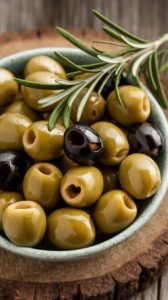 When it comes to introducing olives into your dog's diet, it's important to follow the right approach to ensure their safety and enjoyment. Here are some practical tips:
- Consult with your veterinarian: Before adding olives to your dog's meals, it's always best to consult with your vet. They can provide personalized advice based on your dog's specific needs and health conditions.
- Start with small portions: Begin by offering your dog a small piece of olive as a treat. Watch their reaction and monitor for any signs of discomfort or digestive issues. Slowly increase the portion size if they tolerate it well.
- Choose dog-friendly olives: Not all olives are created equal, and some may contain ingredients that are harmful to dogs. Stick to plain, unsalted, and pitted olives to avoid any potential risks.
- Prepare olives appropriately: Before offering olives to your dog, ensure they are properly washed and cut into small, easily digestible pieces. Remove any pits and avoid adding any seasonings or spices.
- Observe your dog's preferences: Some dogs may not enjoy the taste of olives or may have a sensitive stomach. Respect your dog's preferences and discontinue offering olives if they consistently show disinterest or discomfort.
Remember, moderation is key when it comes to incorporating olives into your dog's diet. Treat olives as an occasional snack or reward, rather than a staple food. It's always best to prioritize a balanced and well-rounded diet for your furry friend.
Alternative Olive Products for Dogs
 When it comes to incorporating olives into your dog's diet, there are alternative products that may be more suitable for our furry friends. These options provide similar flavors and potential benefits, allowing your dog to enjoy the essence of olives without the potential risks. In this section, we will explore two alternative olive products for dogs: olive oil and olive-based treats.
Olive Oil
Olive oil is a popular choice for dogs due to its versatility and potential health benefits. It can be drizzled over your dog's regular food or mixed into homemade treats, providing a rich and flavorful addition to their meals. Olive oil is well-known for its heart-healthy monounsaturated fats, which can promote a healthy coat, skin, and overall well-being in dogs.
When using olive oil in your dog's diet, it's important to remember the following considerations:
- Choose extra-virgin olive oil: This type of olive oil undergoes minimal processing and retains more of its natural nutrients.
- Start with small amounts: Introduce olive oil gradually to your dog's diet to assess their tolerance and avoid any digestive upset.
- Monitor your dog's weight: While olive oil can be beneficial, it is also calorie-dense. Ensure that the additional calories from olive oil are accounted for in your dog's overall calorie intake, especially if they are prone to weight gain.
Olive-Based Treats
For a convenient and tasty option, consider olive-based treats specifically formulated for dogs. These treats often combine olives with other dog-friendly ingredients to create delectable snacks that can be used for training or overall indulgence.
When choosing olive-based treats for your dog, keep the following in mind:
- Read the labels: Look for treats made with high-quality ingredients and without any harmful additives or preservatives.
- Check for allergens: If your dog has known allergies, carefully review the ingredient list to ensure that the treats do not contain any potential triggers.
- Consider treat size: Choose treats that are appropriate for your dog's size to prevent choking hazards or overconsumption.
Selecting olive oil or olive-based treats can offer a safer and more tailored approach to incorporating olives into your dog's diet. However, always consult with your veterinarian before introducing any new food products to ensure they are suitable for your dog's specific health needs and dietary requirements.
| Olive Oil | Olive-Based Treats |
|---|---|
| Heart-healthy monounsaturated fats | Convenient and tasty option |
| Nourishes healthy coat and skin | Specifically formulated for dogs |
| Potential digestive upset if introduced too quickly | Avoid treats with harmful additives or preservatives |
Signs Your Dog Shouldn't Eat Olives
 In this section, we will highlight potential signs or symptoms that may indicate that olives are not suitable for your dog. While olives can be a healthy addition to a dog's diet, some dogs may have adverse reactions or sensitivities to olives. It is important to be aware of these signs to ensure the well-being of your furry companion.
1. Upset Stomach
One of the most common signs that your dog may not be able to tolerate olives is an upset stomach. If your dog experiences vomiting, diarrhea, or shows signs of discomfort after consuming olives, it is best to avoid feeding them this particular food.
2. Allergic Reactions
Just like humans, dogs can have allergies too. If your dog develops symptoms such as itching, hives, swelling, or difficulty breathing after eating olives, it could be an allergic reaction. In such cases, it is important to withhold olives from their diet and consult a veterinarian.
3. Gastrointestinal Blockage
Olives contain pits, which can pose a choking hazard or lead to gastrointestinal blockage in dogs, especially if swallowed whole. If your dog accidentally ingests an olive pit or experiences symptoms such as abdominal pain, vomiting, or loss of appetite, seek veterinary attention immediately.
4. Pancreatitis
Dogs with a history of pancreatitis should avoid foods that are fatty or high in oil, including olives. Pancreatitis is a condition that causes inflammation of the pancreas and can be triggered by rich or greasy foods. If your dog has pancreatitis or a predisposition to the condition, it is best to skip feeding them olives.
5. Unwillingness to Eat Olives
Dogs have their own preferences when it comes to food. If your dog consistently shows disinterest or refuses to eat olives, it may be an indication that olives do not agree with their taste buds or digestive system. Respect your dog's preferences and do not force them to consume olives.
Remember, every dog is unique, and their tolerance for certain foods may vary. If you have any concerns or doubts about including olives in your dog's diet, consult with a veterinarian for personalized advice and guidance.
| Signs Your Dog Shouldn't Eat Olives |
|---|
| Upset Stomach |
| Allergic Reactions |
| Gastrointestinal Blockage |
| Pancreatitis |
| Unwillingness to Eat Olives |
Conclusion
In conclusion, we have explored whether dogs can eat olives. While olives can offer some health benefits to dogs, such as being a source of healthy fats and antioxidants, it is essential to consider potential risks and individual dog preferences.
As with any new food, moderation is key. It is important to introduce olives gradually and observe your dog's reaction. Some dogs may have allergies or sensitivities to olives, so it is crucial to monitor for any adverse effects.
Consulting with your veterinarian before adding olives or any new food to your dog's diet is highly recommended. They can provide personalized advice based on your dog's specific needs, health conditions, and dietary requirements. Your veterinarian will be able to guide you on suitable portion sizes and ensure that olives fit into your dog's overall balanced diet.
Remember, not all dogs have the same dietary tolerance, so what may be suitable for one dog might not work for another. Prioritize your dog's well-being and make informed decisions based on consultation with veterinary professionals. By doing so, you can ensure your furry friend enjoys a healthy and safe diet.






FAQ
Can a dog eat olives?
Yes, dogs can eat olives in moderation. Olives are safe for dogs to consume, but there are a few things to consider before including them in your dog's diet.
What are the health benefits of olives for dogs?
Olives contain healthy fats, vitamins, and antioxidants that can provide some health benefits for dogs. These include promoting a healthy coat and skin, boosting the immune system, and supporting overall well-being. However, it's important to offer olives in moderation due to their high sodium content.
What are the risks of feeding dogs olives?
Although olives are generally safe for dogs, there are a few risks to be aware of. Olives are high in sodium, which can be problematic for dogs with certain health conditions, such as kidney or heart issues. Additionally, the pits of olives can present a choking hazard or cause intestinal blockages if ingested.
Can dogs have olives as a part of their regular diet?
Olives should not be a staple in a dog's diet. While they can be offered occasionally as a treat or added to their regular meals in small quantities, it's important to maintain a balanced diet that primarily consists of a high-quality dog food formulated for their specific nutritional needs.
How should I offer olives to my dog?
When offering olives to your dog, it's best to remove the pit and any additional seasonings or preservatives. Plain, unsalted olives are the safest option. Start by offering a small piece to see if your dog enjoys it and tolerates it well. Monitor for any adverse reactions, such as gastrointestinal upset or allergies.
Are there alternative olive products that are more suitable for dogs?
Yes, if you want to incorporate olives into your dog's diet without the risks associated with whole olives, you can consider using olive oil or olive-based treats specifically made for dogs. These products provide the flavors and potential health benefits of olives in a more controlled and dog-friendly manner.
What are the signs that my dog shouldn't eat olives?
If your dog experiences any negative reactions after eating olives, such as vomiting, diarrhea, or signs of allergic reactions (itching, swelling, difficulty breathing), it may be best to avoid feeding them olives in the future. Always consult with your veterinarian if you have any concerns.