
The question is can a dog eat marshmallows or not is asked and answered here.
The safe answer is NO - don't take a chance. Read more below.
As pet owners, many of us have found ourselves in a situation where our furry friends give us those irresistible puppy dog eyes while we enjoy a tasty treat. But what about marshmallows? Can dogs safely indulge in these fluffy, sugary delights?
In this article, we will explore the risks and potential dangers associated with feeding marshmallows to dogs. We'll also provide insights into dog-friendly alternatives, ensuring that you can still treat your canine companion without compromising their health.





Most Important details
- Marshmallows can pose health risks to dogs and are not recommended for consumption.
- The ingredients and additives in marshmallows may be harmful to dogs.
- Dog-friendly alternatives to marshmallows are available that provide similar flavours and textures.
- Prioritizing your dog's health and consulting with a veterinarian before introducing new treats into their diet is essential.
- Treats should not exceed 10% of a dog's daily calorie intake to avoid potential health issues.
 Understanding the Risks of Feeding Marshmallows to Dogs
When it comes to the question, "Can a dog eat marshmallows?" the answer may not be as straightforward as you think. While dogs can technically consume small amounts of marshmallows without immediate harm, it's important to be aware of the potential health effects and risks involved. Here, we will take a closer look at the implications of feeding marshmallows to dogs and why it's best to exercise caution.
Health Effects of Dogs Eating Marshmallows:
Marshmallows are known for their high sugar content, which can have detrimental effects on your dog's health. Consuming excessive sugar can lead to various issues such as obesity, dental problems, and even diabetes. Additionally, marshmallows often contain artificial additives and preservatives that may not be suitable for your canine companion. These ingredients can cause digestive discomfort, allergic reactions, or other adverse health effects.
Risks of Feeding Marshmallows to Dogs:
Feeding marshmallows to dogs can pose several risks. The sticky texture of marshmallows increases the likelihood of dental issues, including tooth decay and gum disease. Moreover, the high sugar content can contribute to weight gain and obesity, leading to additional health complications. Furthermore, some dogs may have sensitivities or allergies to the ingredients found in marshmallows, which can result in gastrointestinal distress or skin problems.
While a small piece of marshmallow once in a while may not immediately harm your dog, it's crucial to consider the potential long-term consequences and the overall impact on your pet's well-being. As a responsible dog owner, it's advisable to explore safer alternatives that provide similar flavours and textures without the risks.




Potential Dangers of Marshmallows for Dogs
 When it comes to our beloved furry friends, it's essential to be aware of potential hazards in their diet. While marshmallows may seem harmless, they can pose risks to our canine companions. In this section, we will explore the potential dangers that marshmallows can present to dogs, including the challenges they may face when digesting this sweet treat.
Ingredients and Additives
One of the primary concerns with feeding dogs marshmallows is the presence of certain ingredients and additives that can be harmful to their health. Commonly found in these fluffy confections are high amounts of sugar, artificial sweeteners like xylitol, and excessive fat content. These can lead to weight gain, dental issues, and potentially even diabetes in dogs.
Choking and Digestive Issues
Marshmallows, known for their soft and gooey texture, can present a choking hazard for dogs, especially small breeds or those prone to gulping their food. The unique consistency of marshmallows can cause them to become lodged in a dog's throat, leading to a potentially life-threatening situation.
Moreover, dogs' digestive systems are not designed to process large amounts of sugar and fat. Consumption of marshmallows can result in gastrointestinal distress, including diarrhea, vomiting, and discomfort.
The Xylitol Concern
Xylitol, a common sweetener found in many sugar-free products, including certain types of marshmallows, poses a significant danger to dogs. Even in small amounts, xylitol can cause a rapid and severe drop in blood sugar levels, leading to hypoglycemia. This condition can be life-threatening and requires immediate veterinary attention.
"Feeding dogs marshmallows may seem harmless, but the potential dangers they pose, from choking hazards to the presence of harmful ingredients like xylitol, should not be overlooked. Our furry friends rely on us to keep them safe and healthy, and that includes being mindful of what we feed them."
- Dr. Lisa Anderson, Veterinary Nutritionist
Canine Digestive Challenges
In general, dogs have difficulty breaking down complex carbohydrates like those found in marshmallows. Their bodies are designed to process a diet rich in meat and protein, making it harder for them to digest sugary and starchy treats. This can lead to bacterial fermentation in the gut, causing gas, bloating, and discomfort for our four-legged companions.
| Potential Dangers of Marshmallows for Dogs | Solutions |
|---|---|
| High sugar and fat content | Opt for healthier treats designed specifically for dogs, such as dog-friendly marshmallows or alternative options (covered in Section 4). |
| Choking hazard | Choose treats with a softer texture or break marshmallows into smaller, bite-sized pieces to minimize the risk of choking. |
| Xylitol toxicity | Avoid marshmallows containing xylitol altogether and opt for safe marshmallows for dogs or xylitol-free alternatives. |
| Canine digestion challenges | Offer treats that align with a dog's natural diet and digestive capabilities, focusing on high-quality sources of protein. |
It is crucial to prioritize our canine companions' well-being and make informed decisions when it comes to their diet. Understanding the potential dangers associated with dogs consuming marshmallows empowers us to provide safer alternatives and avoid unnecessary risks to their health.



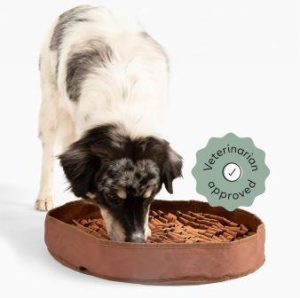
Dog-Friendly Alternatives to Marshmallows
 When it comes to indulging our furry friends, it's essential to prioritize their health and well-being. While traditional marshmallows may not be suitable for dogs due to their potential risks, there are plenty of dog-friendly alternatives that can satisfy your pup's sweet tooth without compromising their safety.
1. Dog-Safe Marshmallow Treats
For pet owners looking for a convenient and reliable option, there are specially formulated marshmallow treats designed specifically for dogs. These treats are made with dog-friendly ingredients, ensuring they are safe for consumption. They come in various flavors and sizes, providing your canine companion with a delicious and enjoyable snacking experience.
QUICK TIP: When purchasing marshmallow treats for your dog, make sure to read the label carefully and choose brands that prioritize high-quality ingredients and avoid harmful additives.
2. Homemade Dog Treats
If you prefer a more hands-on approach and want full control over the ingredients, consider making your own dog-friendly marshmallow treats at home. By using safe and nutritious ingredients, such as pumpkin puree, peanut butter, and whole wheat flour, you can create tasty marshmallow alternatives tailored to your dog's preferences.
Here's a simple recipe to get you started:
- Mix 1 cup of whole wheat flour, 1/4 cup of pumpkin puree, and 2 tablespoons of peanut butter in a mixing bowl.
- Knead the mixture until it forms a dough-like consistency.
- Shape the dough into small bite-sized treats or use a cookie cutter for fun shapes.
- Bake the treats at 350°F (175°C) for 10-15 minutes or until firm.
- Let them cool completely before offering them to your dog.
3. Fruit and Vegetable Alternatives
For a healthier and natural option, consider offering your dog a variety of fruit and vegetable alternatives. Dogs often enjoy the crunch and sweetness of fruits and vegetables, making them a great substitute for marshmallows. Some dog-friendly options include:
- Sliced apples
- Cooked sweet potatoes
- Carrot sticks
- Pumpkin cubes
Remember to always introduce new foods gradually and monitor your dog for any adverse reactions. It's best to consult with your veterinarian before introducing these alternatives into your dog's diet, especially if they have any dietary restrictions or health concerns.
By opting for dog-friendly marshmallow alternatives, you can provide your furry friend with safe and enjoyable treats. Whether it's store-bought marshmallow treats or homemade creations, there are plenty of options to ensure your dog's snacking experience is both delightful and healthy.




Tips for Safely Treating Your Dog
 When it comes to treating your dog, it's essential to prioritize their safety and well-being. Here are some helpful tips to ensure that your furry friend can enjoy their treats without any harm:
1. Portion Control
While it can be tempting to shower your dog with treats, it's important to practice portion control. Treats should make up no more than 10% of your dog's daily calorie intake. This will help maintain a balanced diet and prevent any potential health issues.
2. Frequency of Indulgence
Just like humans, dogs need moderation in their treat consumption. Limit the frequency of indulgence to avoid overfeeding and excessive caloric intake. Treats should be given as occasional rewards rather than a daily occurrence.
3. Incorporating Dog-Friendly Marshmallows or Alternatives
If you're looking to treat your dog with marshmallows, consider opting for safe marshmallows specifically made for dogs. These marshmallows for pets are formulated with ingredients that are safe for canine consumption. They provide a tasty alternative to traditional marshmallows while minimizing the risks associated with sugary and processed treats.
Remember, not all marshmallows are safe for dogs. Avoid marshmallows that contain ingredients like xylitol, chocolate, or artificial sweeteners, as these can be toxic to your furry friend.
If you prefer to try alternative options altogether, there are various dog-friendly treats available on the market. Look for treats made from natural ingredients and designed specifically for dogs. These alternatives can provide similar flavors and textures to satisfy your dog's cravings without compromising their health.
Incorporating dog-friendly marshmallows or alternatives into your dog's balanced diet can add a touch of indulgence while ensuring their safety and well-being.
Conclusion
In conclusion, it is important to understand the risks associated with feeding marshmallows to dogs. While dogs may find the sweet, fluffy treat tempting, it is best to avoid giving them marshmallows due to potential health concerns.
Marshmallows often contain high amounts of sugar, artificial sweeteners, and other additives that can be harmful to dogs. These ingredients can lead to digestive issues, obesity, and even more serious health problems in the long run.
However, if you still want to treat your furry friend, there are dog-friendly alternatives available in the market. Look for specially formulated marshmallow treats that are made with safe and nutritious ingredients. These alternatives provide a tasty option while prioritizing your pet's health and well-being.
Before introducing any new treats into your dog's diet, it is essential to consult with your veterinarian. They can provide personalized advice based on your dog's specific needs and help you make the best choices for their overall health. By taking these precautions, you can still indulge your beloved pet without compromising their well-being.
FAQ
Can dogs eat marshmallows?
While dogs can technically eat marshmallows, it is generally not recommended. Marshmallows contain high levels of sugar, artificial sweeteners, and chemicals that can be detrimental to a dog's health. Consuming marshmallows can lead to obesity, dental issues, digestive problems, and potentially even diabetes. It is best to avoid feeding marshmallows to dogs.
What are the risks of feeding marshmallows to dogs?
Feeding marshmallows to dogs can pose several risks. The high sugar content can contribute to weight gain and obesity. Additionally, some marshmallows may contain xylitol, a sweetener that is highly toxic to dogs and can cause severe issues like low blood sugar, liver failure, and even death. The artificial flavorings, colors, and preservatives in marshmallows can also be harmful to dogs and lead to various health problems.
Are there any dog-friendly alternatives to marshmallows?
Yes, there are dog-friendly alternatives to traditional marshmallows. Some brands offer specially formulated marshmallow treats specifically designed for dogs. These treats are made with safe and healthy ingredients that cater to a dog's nutritional needs. Alternatively, you can consider natural treats like small pieces of fruits or vegetables that are safe for dogs to consume.
How can I safely treat my dog without using marshmallows?
To safely treat your dog without using marshmallows, you can opt for healthier alternatives. Choose dog-friendly treats that are specifically made with safe ingredients and are appropriate for your dog's size and breed. Practice proper portion control and moderation when treating your dog to avoid overfeeding. Incorporate treats into a balanced diet and consult with your veterinarian for guidance on the appropriate treat options for your dog.
Can my dog have homemade marshmallows?
Homemade marshmallows may not be any safer for dogs than store-bought ones. The primary risk lies in the high sugar content and potentially toxic ingredients like xylitol. It is best to avoid feeding any kind of marshmallow to your dog, whether store-bought or homemade, to protect their overall health and well-being.





Related posts:
 Caring for your dog
 can a dog eat eggs
can a dog eat tuna
can a dog eat kiwi
can a dog eat brussel sprouts
can a dog eat eggs
can a dog eat tuna
can a dog eat kiwi
can a dog eat brussel sprouts
Powered by YARPP.