You might be surprised to learn that some of the foods in your kitchen can be harmful to your furry friend, even if they can safely munch on them. While your dog may beg for a taste, certain foods can pose serious health risks. In this list, we’ll uncover 10 common foods that your dog can technically eat but really shouldn’t. Keep your pup healthy and happy by learning what to avoid, ensuring your shared moments are joyful and safe!
Chocolate
While most people know that chocolate is a delightful treat for humans, it’s important to understand that it can pose serious health risks to your furry friends. Theobromine, a compound found in chocolate, is toxic to dogs and can lead to severe reactions, including vomiting, diarrhea, rapid heartbeat, and even seizures. It’s best to keep all chocolate products well out of your dog’s reach to ensure their safety and well-being.
Dark chocolate toxicity
Any type of dark chocolate can be particularly harmful to your dog due to its higher concentration of theobromine. Even a small amount can result in poisoning, particularly for smaller breeds. Symptoms can escalate quickly, so if your dog gets into your chocolate stash, it’s important to contact your veterinarian immediately.
Milk chocolate risks
Chocolate can be dangerous even in its milk form, but the risks are less severe compared to dark chocolate. That said, milk chocolate still contains theobromine, which can cause upset stomach and other reactions in your dog. The larger the quantity consumed, the more significant the risk, particularly if your pup is small. If you suspect your dog has eaten milk chocolate, it’s wise to consult a vet.
It’s important to be cautious, as the effects of milk chocolate can fluctuate based on your dog’s size and the amount ingested. Monitoring your dog closely after they’ve indulged in any chocolate is advisable. If you notice any unusual behavior or symptoms, prompt veterinary attention is important. Keeping chocolate away from your pet is the best way to avoid these risks altogether.
Grapes
Some fruits might seem harmless, but grapes are a surprising no-go for your furry friend. They can cause serious health issues in dogs and should be kept far away from their reach. Even a small amount can lead to unpleasant consequences, so it’s best to skip them entirely when sharing snacks with your pup.
Kidney damage potential
Any dog can react differently to grapes, but the potential for kidney damage is alarming. The exact substance that causes this reaction is still a mystery, which makes it all the more concerning. If your dog happens to nibble on some grapes, be on high alert and consult your vet for advice. Your dog’s health may be at stake!
No safe amount
Some pet owners may think that a tiny grape here and there won’t hurt, but that’s not the case. Even the smallest quantity can pose a risk to your dog’s health. With reports showing that dogs of various sizes and breeds can suffer toxic reactions, it’s best not to test the waters. Keeping grapes out of your dog’s diet is the safest option to ensure their well-being.
Onions
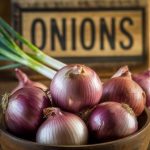
The tasty onion is a popular ingredient in many dishes, but it can be harmful for your furry friend. Although they add great flavor to human meals, onions contain compounds that can be toxic to dogs, leading to serious health issues. Even small amounts can pose a risk, so it’s best to keep your pup away from this savory vegetable.
Red blood cell harm
Clearly, onions can cause damage to your dog’s red blood cells, leading to a condition known as hemolytic anemia. This means that your dog’s body struggles to transport oxygen effectively, which can lead to weakness, lethargy, and other health issues. It’s important to monitor for symptoms if your dog accidentally ingests onions.
Poisonous raw or cooked
On the other hand, whether raw or cooked, onions can be poisonous for your dog. They contain thiosulfate, which is harmful to dogs and can create health complications without you even knowing it. Even onion powder, commonly found in many processed foods, can pose a risk!
For instance, even small amounts mixed into a dish can lead to toxic reactions over time. Cooked onions might seem safer, but they still retain harmful properties. Always be cautious about sharing your meals with your pup and double-check ingredients to keep them safe and sound!
Garlic
For many of us, garlic is a flavorful addition to our meals, but it can be a hidden danger for your dog. Although small amounts may not seem harmful, garlic contains compounds that can be toxic to dogs, affecting their red blood cells and leading to serious health issues. It’s best to keep garlic off your pup’s plate and stick to pet-safe treats instead.
Similar to onions
To add to the concern, garlic is similar to onions in its potential toxicity. Both contain thiosulfate, which can lead to oxidative damage in dogs. So, if you think that a tiny bit of garlic won’t hurt, it’s important to consider that both can have a similar adverse impact on your furry friend’s health.
Small quantities dangerous
The risk with garlic doesn’t only come from large amounts; even small quantities can be dangerous for your dog over time. Repeated consumption can build up in your dog’s system and cause serious issues like anemia. You might think that a minor flavor boost is harmless, but it can negatively impact your dog’s wellbeing.
You can safeguard your dog’s health by avoiding garlic entirely. Instead of using garlic in your cooking, consider using pet-friendly herbs and spices that can enhance flavor without any risks. Keeping your dog away from garlic means you can enjoy your meals while ensuring your furry friend stays safe and healthy.
Avocado
Now, while you might enjoy a delicious avocado spread on your toast, it’s important to know that this creamy fruit can be a cause for concern for your furry friend. Avocado contains a substance called persin, which can lead to health issues in dogs. So, even though your pup might be begging for a taste, it’s best to keep it off their plate.
Persin toxicity issues
Toxicity from persin can lead to gastrointestinal upset in dogs, including vomiting and diarrhea. It’s worth noting that while persin is mainly found in the leaves and pit of the avocado, it can still affect your dog if they consume the flesh. Your dog’s health should always be a priority, so avoiding any avocado is a wise choice.
High-fat content risk
There’s another reason to skip the avocado for your dog: its high-fat content. While fats are vital for a dog’s diet, too much can lead to obesity and pancreatitis, a painful condition that affects digestion. So, although the creamy texture may be tempting for your pup, it’s safer to stick to dog-friendly snacks.
This high-fat content can be particularly concerning for dogs that are already prone to weight gain or have a sensitive stomach. Over time, indulging your furry friend with avocado can lead to serious health problems, making it important to choose low-fat, nutritious snacks instead. By steering clear of avocado, you’ll help keep your dog healthy and happy.
Macadamia Nuts
To keep your furry friend safe, it’s best to avoid feeding macadamia nuts altogether. These tasty treats, which are a popular human snack, can lead to health issues for your dog. Even in small amounts, macadamia nuts can cause adverse reactions, including weakness, lethargy, and overheating. It’s better to stick to dog-friendly snacks instead!
Neurological symptoms seen
On occasion, dogs may exhibit neurological symptoms after consuming macadamia nuts, which can be concerning for any pet owner. You might notice your dog displaying signs like tremors, unsteadiness, or even difficulty walking. If your pup shows these symptoms, it’s important to consult your veterinarian for advice.
Safe-sized portions dangerous
If you think a tiny amount of macadamia nuts is harmless, think again! Even what you might consider a “safe” portion can still pose risks to your dog’s health. The toxicity level in macadamia nuts isn’t about the quantity alone but can affect dogs differently. Every pup may react distinctly, so it’s best not to risk it and stick with safer treats.
Any amount of macadamia nuts may trigger an adverse reaction in your dog, regardless of their size or breed. The variations in how dogs metabolize certain foods can lead to unexpected reactions, making it challenging to gauge what a safe portion really is. If you’re ever considering giving your dog a new treat, prioritize their safety by sticking with vet-approved snacks!
Caffeine
Once again, your furry friend could be in for a rough time if they manage to sneak a sip of your morning brew. Caffeine, found in coffee, tea, and other beverages, is not safe for dogs and can lead to severe health issues. Even small amounts can cause restlessness, rapid breathing, and increased heart rate in your pup. So, when you’re enjoying your caffeine fix, make sure to keep it out of reach from your curious companion!
Coffee and tea poison
Caffeine is a stimulant that can be poisonous to dogs, leading to hyperactivity, heart problems, and even seizures. If your dog consumes coffee or tea, it can have a serious impact on their health. Always be cautious and keep these beverages far away from your pet.
Stimulant effects problematic
Little amounts of caffeine might not seem alarming, but they can significantly impact your dog’s well-being. Symptoms can escalate from simple jitters to more severe reactions like muscle tremors and elevated heart rates. The smallest doses can lead to discomfort, so it’s vital that you keep all caffeinated products secured and out of your dog’s reach.
Poisoning from caffeine can be distressing for both you and your dog. If you suspect your furry friend has ingested any caffeinated products, contact your veterinarian immediately. They can provide guidance on the next steps to take and ensure your pup receives the care they need. Always prioritize your dog’s health by keeping any caffeinated items tucked safely away!
Alcohol
Your furry friend may be curious about your glass of wine or bottle of beer, but alcohol is a definite no-go for dogs. While it might seem harmless for them to sneak a sip, even a small amount can lead to serious health issues. It’s best to keep all alcoholic beverages safely out of reach to protect your beloved pet from any potential harm.
Dangerous even small amounts
There’s a common misconception that dogs can handle small amounts of alcohol without consequence. Unfortunately, that’s far from true. Just a few sips could cause disorientation, heavy breathing, and even vomiting, putting your dog at risk for more severe health problems.
Alcohol poisoning risk
Poisoning from alcohol is a very real concern for dogs and can occur quickly, even with seemingly negligible amounts. Symptoms may include lack of coordination, lethargy, and abnormal bodily functions. In severe cases, it can lead to coma or even death. If your pup does consume alcohol, it’s important to contact your veterinarian immediately.
This situation can escalate rapidly, so being aware of your dog’s whereabouts during gatherings can help prevent an accidental sip. Always keep your drinks out of your pet’s reach and educate family and friends about the dangers of alcohol around pets. Ensuring a safe environment for your dog is key to keeping them happy and healthy!
Xylitol
All pet owners should be aware that xylitol, a common sugar substitute found in sugar-free products like gum and baked goods, is highly toxic to dogs. Even small amounts can lead to serious health issues, making it necessary to keep these foods out of your furry friend’s reach. When considering your dog’s safety, it’s best to err on the side of caution.
Sugar substitute toxicity
Clearly, xylitol can be lethal for dogs, as it can cause a rapid drop in their blood sugar levels, also known as hypoglycemia. This can lead to symptoms such as vomiting, loss of coordination, and even seizures. If you suspect that your dog has ingested xylitol, it is important to seek veterinary care immediately, as timely treatment can save their life.
Insulin release triggering
Even more alarming is how xylitol can trigger insulin release in dogs, leading to dangerously low blood sugar. It is not only the amount consumed that matters, but the body’s response can vary among different pets. Some dogs may be especially sensitive, making it even more imperative to keep any xylitol-containing products away from them.
Any time xylitol is ingested, your dog’s pancreas can release insulin, which drastically reduces blood sugar levels. This sudden insulin spike can occur within 30 minutes of ingestion, creating rapid and severe health risks. Symptoms can escalate quickly, and being aware of these potential effects may help you protect your beloved pet. If you’re ever unsure, consulting your veterinarian is always a good step to ensure your pet’s well-being.
Conclusion
To wrap up, while it’s fun to share your food with your furry friend, it’s imperative to know which foods they should avoid. By keeping these ten foods off your dog’s plate, you can help ensure their health and happiness. Your dog’s well-being is important, and making informed choices about their diet can make all the difference. So next time you’re enjoying a meal, think about what’s safe for your pup, and keep those risky treats out of reach!